IFAK Wholesale Guide: First Aid Kits & Trauma Gear
IFAK and tactical medical gear is the fastest-growing emergency-preparedness category. This guide covers kit architecture, contents strategy, compliance and sourcing checkpoints.
Why IFAK and Medical
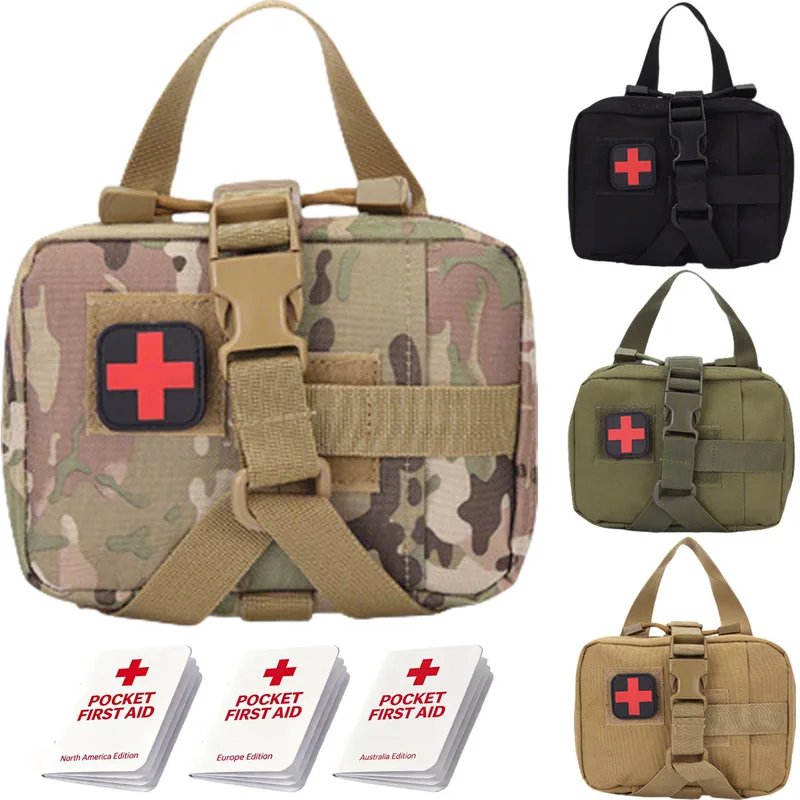
The short definition: an IFAK (Individual First Aid Kit) is a compact trauma kit carried by soldiers, first responders and prepared civilians. It contains hemorrhage control — tourniquets, hemostatic dressings and pressure bandages — not general first aid. The commercial market for IFAK and tactical medical gear is the fastest-growing preparedness category, driven by Stop the Bleed training and civilian adoption.
What Is an IFAK vs a First Aid Kit?
Buyers often search "first aid kit" and "IFAK" interchangeably, but they are different products. A standard first aid kit covers minor injuries — bandages, antiseptics, pain relief. An IFAK covers life-threatening trauma — catastrophic bleeding, airway, chest injuries.
The difference drives the sourcing decision: contents, compliance and target buyer are all distinct. First-aid kits face looser rules and general retail; IFAKs carry medical-component compliance and sell to tactical and preparedness channels. Programs that stock both capture two buyer pools with one category page.rst aid kit covers minor injuries — bandages, antiseptics, pain relief. An IFAK covers life-threatening trauma — catastrophic bleeding, airway, chest injuries. The difference matters for sourcing because the contents, compliance and target buyers are entirely different.
Why IFAK and Medical Gear Is the Fastest-Growing Preparedness Category
Tactical medical has moved from military niche to mainstream preparedness. Stop the Bleed training, active-threat awareness and outdoor first-aid culture have turned IFAK (Individual First Aid Kit) gear into a must-carry category for preppers, hunters, shooters and even everyday commuters. For wholesalers it offers high perceived value, strong repeat sales (refill consumables) and a growing training-equipment sub-market.
The category splits into four families with different buying dynamics: individual kits (small IFAK kits — volume), medical accessories (refill economy), group and vehicle kits (higher value), and training equipment (growing specialist demand).
The Four Product Families
1. Individual IFAK Kits
The volume driver. Core architecture:
2. Medical Accessories
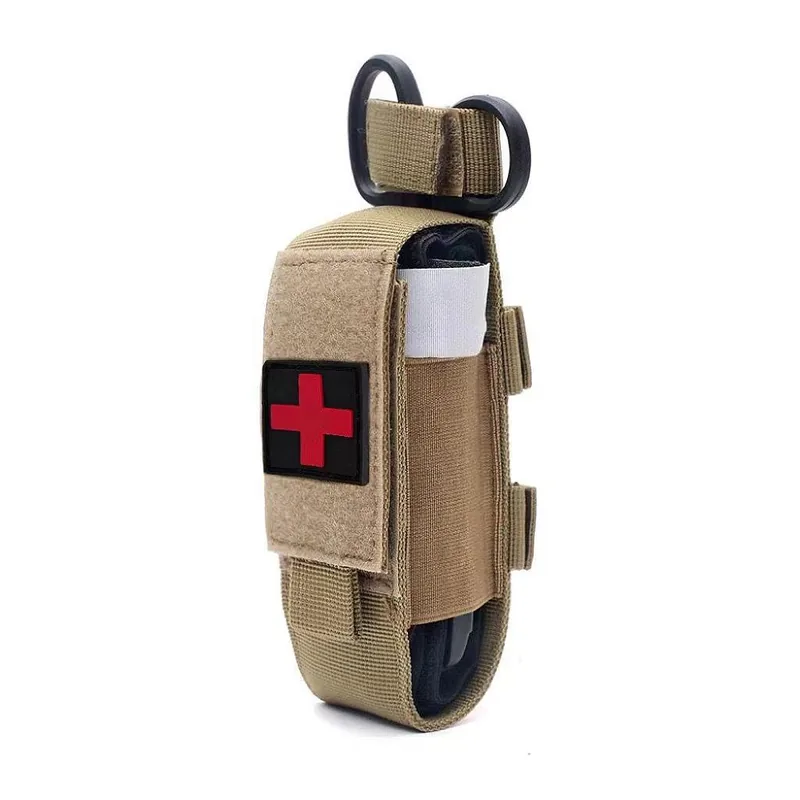
3. Our tactical TQ trauma kit and MOLLE tourniquet holder cover the carry side. Group and Vehicle Kits
See our large capacity rescue IFAK kit and the group & vehicle kits collection.
4. Tactical Medical Training Equipment
Contents Strategy: The Heart of the Business
Unlike apparel, an IFAK is defined by its contents. Your product differentiation comes from kit configuration, not the pouch. Key decisions:
Compliance: Medical Products Have Special Rules
For reference, military IFAK contents follow the TCCC guidelines established by NAEMT, and civilian training programs follow the Stop the Bleed initiative from the American College of Surgeons. Compliance varies by market — verify local medical device rules before committing to a configuration.
This is where IFAK sourcing differs from all other tactical gear:
Work with a factory that can document component certifications and origin — your liability as the distributor depends on it.
Quality Checkpoints
Wholesale Sourcing Checklist
1. Define your kit architecture and contents matrix before talking to factories
2. Request samples with actual contents, not empty pouches
3. Confirm component certifications and shelf life
4. Verify MOQ: pouches 100-200 pcs, kit assembly 200+ pcs, consumables by unit
5. Ask for training-market products if you plan to serve instructors and courses
6. Check packaging options: retail-ready boxes, kit roll-up pouches, bulk
MOQ and Pricing Realities
Pouches and organizers $1-6; empty kit setups $3-15; fully loaded kits $15-60 depending on contents tier; tourniquets $2-8; training simulators $5-50. MOQs are moderate — kit assembly is labor-heavy, so factories quote by configuration rather than simple unit pricing.
Red Flags in IFAK Factories
FAQ
What does IFAK stand for?
Individual First Aid Kit — a compact trauma kit focused on hemorrhage control (tourniquets, hemostatic dressings, pressure bandages). It is not a general first aid kit.
What is the difference between IFAK and first aid kit?
An IFAK treats life-threatening trauma (bleeding, airway, chest). A first aid kit treats minor injuries (cuts, burns, pain). Buyers seeking "first aid kits" for general use need the standard kit; tactical buyers need the IFAK.
What should a quality IFAK contain?
A tourniquet, hemostatic gauze or dressing, pressure bandage, chest seal and gloves — plus a compact pouch. Military-spec IFAKs follow the TCCC (Tactical Combat Casualty Care) framework.
What is the MOQ for wholesale IFAK kits?
Typically 200-500 kits per configuration. Contents can be customized per buyer — from minimal tourniquet-only to full TCCC-level kits. Samples ship in 10-14 days.
Get Wholesale Pricing
Looking for IFAK and tactical medical gear at factory-direct prices? Send your requirements and we'll reply within 24 hours with MOQ, contents configuration and sample options. Contact us for a quote.
Final Word
IFAK and medical gear rewards trust and configuration intelligence. The winners in this category are not the cheapest pouch sellers but the brands that build well-configured kits with documented components and honest compliance. Start with individual kits and training products (lower regulatory friction), prove the channel, then expand into group kits and regulated components.